
The modern home buyer values comfort and status. The kitchen often defines that perception. Buyers seek beauty and strong function. The demand for premium design keeps rising. Sellers consider high end upgrades more often. A luxury kitchen suite can reshape market appeal. It creates a strong first impression during viewings. The space feels refined and highly usable. Now this shift drives interest in resale outcomes. Many homeowners question the actual financial return.
Understanding Perceived Value in Premium Kitchens
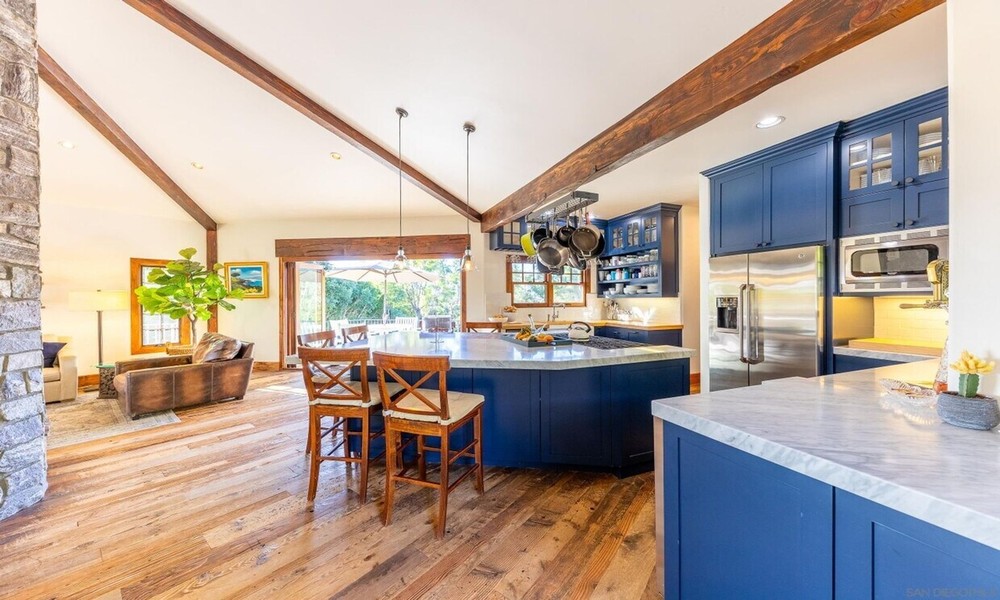
A premium kitchen signals quality and care. Buyers often equate luxury with durability. This perception increases emotional attachment quickly. The kitchen becomes the central selling feature. Interest levels rise during initial visits. High end materials suggest long term reliability. Sometimes small details influence final decisions strongly. The buyer forms trust through visual experience. This trust can translate into higher offers.
Cost Structures and Investment Dynamics
Luxury kitchen upgrades require careful planning. Costs vary based on brand and scope. Appliances form a major share of expenses. Cabinetry and surfaces also demand attention. Installation quality affects long term performance greatly. So total investment grows beyond simple estimates. Hidden costs may arise during renovation phases. Electrical and plumbing updates often become necessary. The luxury kitchen appliance store plays a key sourcing role. It offers curated products with premium specifications. Now buyers must align spending with expected returns. Poor planning may reduce financial efficiency.
Market Behavior and Buyer Psychology
Buyers respond strongly to visual cues. A refined kitchen creates immediate attraction. Emotional engagement increases perceived property value. Competition among buyers can intensify quickly. This effect may lead to higher final bids. Market trends influence these reactions significantly. Urban buyers often prefer modern luxury designs. Suburban buyers may value space and function more. Sometimes cultural factors shape kitchen expectations deeply. The presentation of the kitchen affects negotiation power. A well staged space enhances perceived worth further.
Quantifying Return on Investment Outcomes
Return on investment depends on multiple variables. Location plays a critical role in outcomes. Property type also affects resale performance greatly. High demand areas show stronger returns overall. Luxury upgrades perform best in premium markets. Data suggests moderate to strong value recovery. Full cost recovery remains less common in many cases. Appreciation occurs through combined property appeal. The kitchen upgrade supports overall valuation growth. Now timing also influences realized gains. Selling during peak demand improves return potential.
Strategic Considerations for Homeowners
Homeowners must align upgrades with local demand. Over improvement may limit financial recovery potential. Balanced investment often yields optimal results. Understanding neighborhood standards becomes essential. Buyers expect consistency within the market segment. Design choices should reflect current trends carefully. Neutral palettes appeal to wider audiences effectively. Functionality must match aesthetic improvements clearly. Sometimes subtle upgrades outperform extreme transformations. Planning should integrate resale strategy from the start. This approach supports both enjoyment and value growth.
Conclusion
Luxury kitchen suites offer both emotional and financial benefits. The impact on resale value varies across markets. Strategic planning improves investment outcomes significantly. Buyers respond to quality and thoughtful design choices. So, homeowners should evaluate costs and expected returns carefully. A well-executed upgrade enhances appeal and value. The kitchen remains a central driver of buyer interest. Thoughtful investment can create measurable long-term gains.