
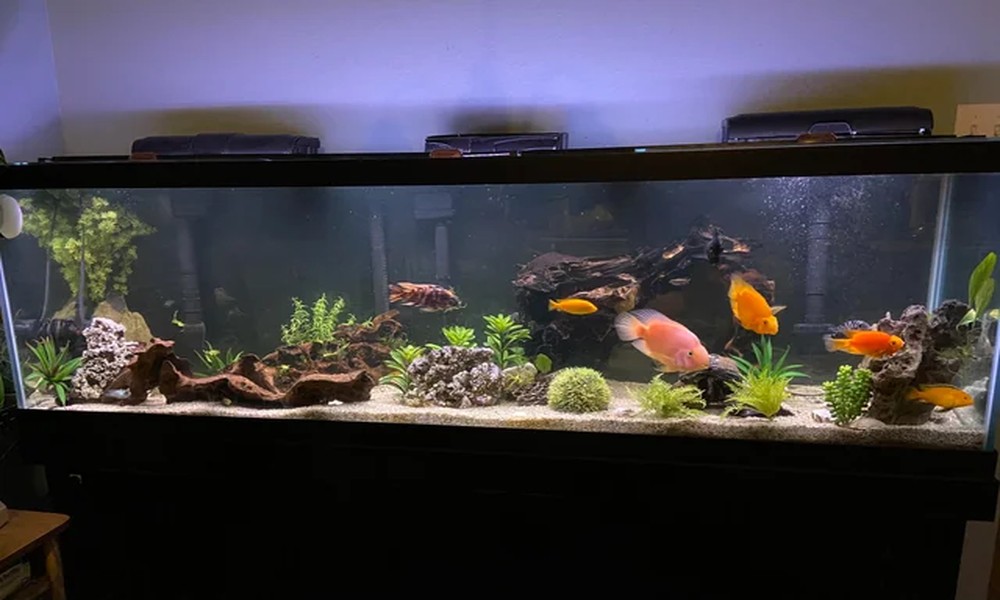

The ocean supports an incredible diversity of life through complex biological, mechanical, and chemical processes that maintain balance at every depth. In home aquariums, this balance must be recreated artificially through aquarium filtration, which plays a vital role in keeping water clean and safe for aquatic life. Recreating anything close to the ocean’s natural system is a challenge, which is why a reliable filtration system is essential. Without proper aquarium filtration, maintaining a stable and healthy environment for fish becomes nearly impossible.
Owning an aquarium may seem simple at first, but it requires careful planning and consistent maintenance. Understanding how filtration works, the types available, and their limitations is essential for keeping your aquarium clean, clear, and safe for its inhabitants.
Why Aquariums Need Filtration
For aquatic life to survive in any environment, essential elements such as oxygen and clean water must be maintained. In an aquarium, which is a controlled and enclosed system, filtration is responsible for supporting these life-sustaining conditions.
Filtration helps remove waste materials that accumulate in the tank. Uneaten food, fish waste, and microscopic organisms can quickly pollute the water if left unmanaged. Without proper filtration, these contaminants can turn the aquarium into a breeding ground for harmful bacteria and diseases.
In addition to cleaning the water, filtration supports aeration by promoting water movement. This allows oxygen to dissolve into the water, which fish rely on for survival. Without adequate oxygen levels, fish can suffocate in a short period of time.
Filtration also plays a role in eliminating unpleasant odors and preventing discoloration. Organic waste and decomposition can cause water to appear cloudy or green while producing foul smells. By removing these impurities, filtration systems help maintain a clear and visually appealing aquarium.
Types of Fish Tank Filtration
Aquarium filtration is typically divided into three main processes that can be used individually or together. Each type targets specific contaminants that others may not effectively address, making a combined approach the most efficient solution.
Mechanical Filtration
Mechanical filtration involves the physical removal of visible debris from the aquarium. Water is passed through a filtering material that traps particles such as uneaten food, fish waste, and algae. This process helps improve water clarity by eliminating suspended solids.
Despite its effectiveness in removing larger particles, mechanical filtration does not fully purify the water. Many contaminants break down into smaller particles that continue to decompose and affect water quality. Because of this limitation, mechanical filtration cannot function as the only method of maintaining a clean aquarium.
Biological Filtration
Biological filtration uses natural processes to break down harmful substances in the aquarium. This method relies on beneficial bacteria that convert toxic compounds into less harmful forms, helping to maintain a stable environment.
These bacteria thrive on specialized surfaces within the aquarium, where they establish colonies and begin processing waste materials such as ammonia and nitrates. As these compounds are broken down, the water becomes safer for fish and other aquatic organisms.
Biological filtration is essential for handling contaminants that mechanical filtration cannot remove. However, maintaining balance is important, as excessive bacterial growth can lead to competition for oxygen. Monitoring and proper tank management are necessary to ensure that the system remains effective.
Chemical Filtration
Chemical filtration involves the use of materials or processes that remove dissolved impurities from the water. One common method uses highly absorbent media that capture substances responsible for odor and discoloration.
Another approach involves ultraviolet sterilization, which targets microscopic organisms such as algae. This method disrupts their cellular structure, preventing them from multiplying and improving water clarity.
Although chemical filtration can be highly effective, it is less commonly used due to cost considerations and the need for careful selection of safe materials. When used appropriately, it provides an additional layer of purification that enhances overall water quality.
Types of Aquarium Filters
Aquarium filters are devices designed to perform one or more filtration processes. They vary in design, functionality, and efficiency, allowing aquarists to choose systems that best suit their needs.
Power Filters
Power filters operate by drawing water from the aquarium through a tube and passing it through filtration media before returning it to the tank. These filters use electrically powered pumps to maintain water circulation and can often be adjusted to control flow rates.
They offer the advantage of cleaning the aquarium without disturbing the fish and can be positioned at a distance from the tank. However, they may produce noise and vibrations during operation, which can be a concern in certain environments.
Canister Filters
Canister filters are external systems that provide advanced filtration by allowing multiple types of media to be used within a single unit. Water enters the canister, passes through various filtration stages, and is then returned to the aquarium in a cleaner state.
These filters are highly efficient and suitable for larger aquariums, but they tend to consume more power. Maintenance can also be more complex, as cleaning and reassembling the unit requires careful handling.
Trickle Filters
Trickle filters are designed to maximize biological filtration by exposing water to air as it flows over filter media. In one configuration, water is distributed over trays containing media that remain moist but not fully submerged, allowing beneficial bacteria to thrive.
In another configuration, water flows through the filter media using gravity, where it undergoes pre-filtration before passing over surfaces that support bacterial growth. This process converts harmful substances into safer compounds, which can then be removed from the system.
Algae Filters
Algae filters are used to control unwanted algae growth within the aquarium. While some algae can be beneficial, excessive growth can disrupt the balance of the tank and affect water quality.
These filters often incorporate ultraviolet technology to eliminate algae by damaging their cellular structure. While effective, this method may also impact beneficial bacteria, making careful use important.
Baffle Filters
Baffle filters use a series of partitions to guide water through different filtration stages. As water moves through each section, it encounters various filter media that remove different types of contaminants.
This staged approach allows for more thorough cleaning, as larger particles are removed first, followed by finer impurities. The design ensures that water is filtered progressively before being returned to the aquarium.
Fluidized Bed Filters
Fluidized bed filters are a form of biological filtration that uses a bed of fine particles, such as sand, suspended in moving water. As water flows through the system, the particles become fluidized, creating an ideal environment for beneficial bacteria.
This setup provides a large surface area for bacterial growth, allowing for efficient breakdown of harmful substances. It is particularly effective in maintaining water quality in systems with high biological loads.
Undergravel Filters
Undergravel filters are one of the earliest filtration methods used in aquariums. They consist of a perforated plate placed beneath a layer of gravel, with tubes that allow water to circulate through the substrate.
The gravel acts as a medium for beneficial bacteria, supporting biological filtration. However, this system can become clogged over time and may create areas with low oxygen levels if not properly maintained.
Conclusion
Filtration is essential for maintaining a healthy aquarium, as it compensates for the lack of natural water flow found in open environments. Without it, contaminants would quickly accumulate, leading to poor water quality and unhealthy conditions for aquatic life.
There are many filtration options available, each with its own advantages and limitations. Choosing the right system depends on the size of the aquarium, the type of fish, and the level of maintenance you are prepared to handle. With proper research and careful selection, you can create a balanced aquatic environment that supports long-term health and clarity.