
A custom backyard pool can easily turn the space into a welcome place of swimming, relaxing, exercising and entertaining. A custom pool can be designed around the property’s layout, the lifestyle of the homeowner, and the appearance desired, unlike a standard pool design. But careful planning is necessary to design an attractive, functional and long lasting swimming pool.
Pool Size and Shape
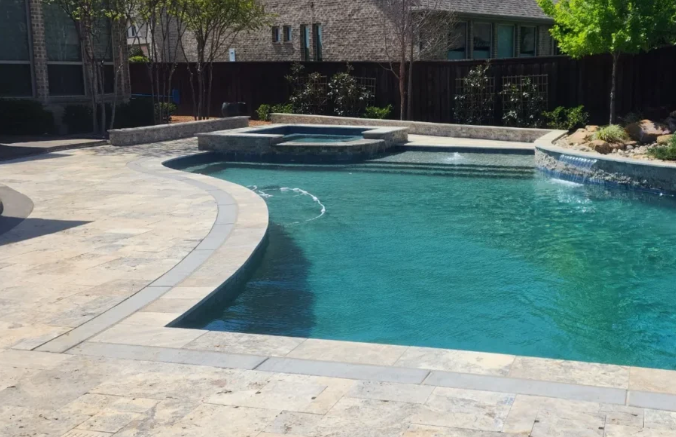
The first decision is to choose the right size and shape for the pool. Space available in the backyard and how the pool will be used should be taken into account. Swimming laps could be best done in a large rectangular pool, or you might want to use a freeform pool design for a more natural look.
Homeowners will need to consider various layouts when assessing pool companies Mesa AZ and determine how each one could fit into their current landscaping, patio, fencing and outdoor structures. Knowing how to allocate space properly can help to make the best of the available space, while still providing sufficient space around the pool for movement and additional features.
Pool Depth and Intended Use
The depth of the pool should be consistent with the activities that will be held in the pool. Some families might want different depths that offer shallow areas for youngsters and deeper areas for older swimmers. Divers, water sports enthusiasts and exercisers may have other needs.
The right pool designer can make decisions and suggestions about pool depth and transitions, taking safety and usability into account. A well-defined purpose for the pool is essential from the beginning of the design process to avoid costly changes later in the process.
Steps, Entry Points, and Safety Features
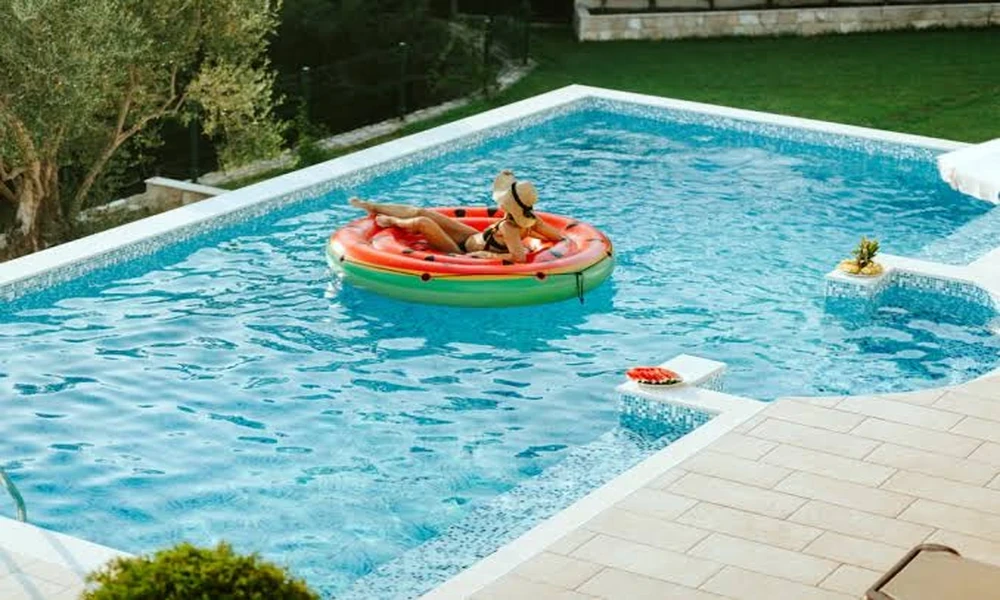
Easy and safe access is another important consideration. Add wide steps, tanning ledges, benches and gradual-entry areas to make a pool more comfortable to use for different people.
Safety features can be a part of the design. Depending on the property and local requirements, homeowners may consider appropriate barriers, alarms, lighting, and non-slip surfaces. When there is good visibility around the pool, as when children use the area, the overall environment can be improved.
Lighting and Water Features
Backyard pools can look very different at night thanks to pool lighting. Perimeter lights, underwater lights and carefully positioned landscape lighting can provide enhancement and welcome.
Add movement and visual interest with water features like waterfalls, fountains, bubblers and deck jets. These features can be used to create focal points or incorporated seamlessly into the overall design of the pool.
Decking and Surrounding Space
The pool area is as crucial as the pool itself. Pool decking offers space for walking, sitting or sunning and entertaining. Materials should reinforce the exterior of the home and provide durability and traction. A pool area can be transformed into an outdoor living area with additional features like outdoor kitchens, shaded seating, fire features, landscaping and an outdoor spa.
Equipment and Maintenance
A custom pool should also be designed keeping in mind maintenance and operating costs. Appropriate circulation, automation, efficient pumps, and filtration systems can all help with easier pool maintenance. Future servicing can also be made easier by careful planning of the location of equipment. The more you can make your systems work and easy to maintain the better your pool can be.
Creating a Pool That Fits Your Lifestyle
The ideal pool design will look great, be functional, safe and useful. If you take all of these factors into account when you start designing your outdoor space, you can ensure that you create an outdoor space that will serve your needs for many years to come, and that you will be able to complement your home.