
A bathroom vanity isn’t just a utilitarian fixture, it can make or break the entire look and function of your bathroom. From compact powder rooms to expansive master baths, the right vanity blends style, storage, and daily convenience into a single piece. Yet with so many shapes, finishes, and features on the market, finding your ideal match can be surprisingly tricky.
What Are the Different Types of Bathroom Vanities?
The shape and construction of your vanity set the stage for both design and everyday use.
Wall-Hung vs. Freestanding: Pros and Cons
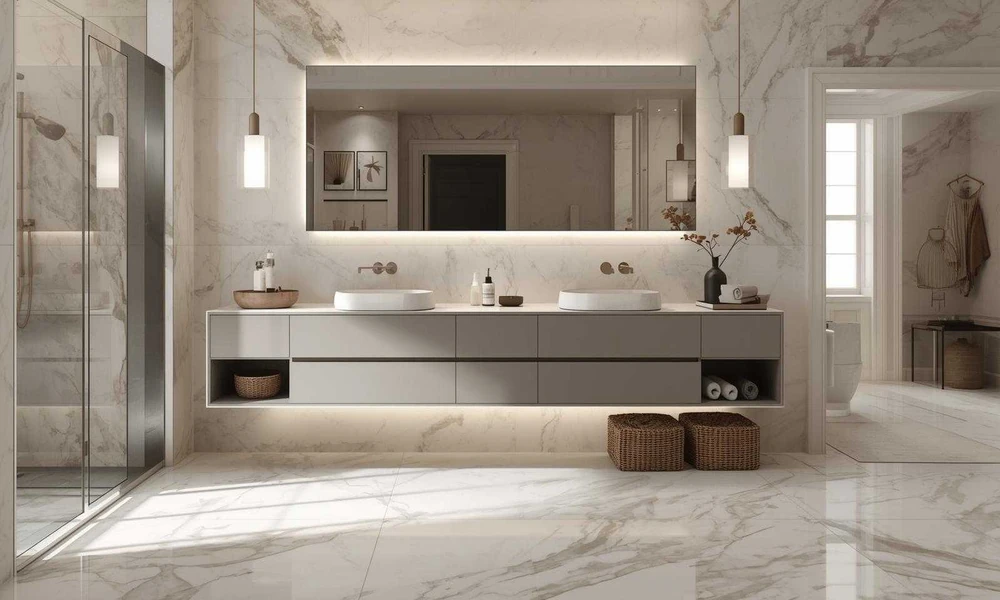
Wall-hung (or floating) vanities bring a modern, airy vibe. They make small spaces feel larger by exposing more floor, and cleaning becomes a breeze. However, installation can be more complex since they require sturdy wall support. Freestanding vanities, on the other hand, are classic and versatile. They come in both streamlined and ornate designs, sometimes with metal frames for extra architectural flair. Freestanding units often offer more storage but may visually “ground” the space, which is perfect for traditional or rustic bathrooms.
Single Sink vs. Double Sink Vanities
Single sinks are well-suited for compact baths or guest rooms, maximizing available counter space and leaving more room for storage. Double sinks shine in shared bathrooms, reducing morning traffic jams and offering personal space for couples or busy families. The catch? They require a wider vanity, so plenty of real estate is essential.
Size Options: From Compact to Spacious
Lengths range from as little as 12 inches up to 84 inches or more. Powder rooms typically benefit from vanities under 28 inches, while primary bathrooms may accommodate 60- to 72-inch showpieces. Always factor in door swings, walkways, and adjacent fixtures.
How Do I Choose a Vanity That Fits My Bathroom Space?
Accurate measurement is your secret weapon. Always measure wall-to-wall, noting any obstacles like doors, radiators, or oddly placed pipes. Consider traffic flow, there should be at least 24 inches of clearance in front of the vanity so drawers and doors open with ease.
Storage is a balancing act. While deep drawers and cabinets banish clutter, oversized vanities can overwhelm smaller rooms. Opt for shallow drawers or wall-hung units in tight spaces, and reserve double sinks or ample cabinetry for rooms that can truly accommodate them.
Which Materials and Countertops Are Best for Durability and Style?
The choice of cabinet material and countertop affects not just the look, but also how your vanity stands up to steamy showers and everyday splashes.
| Material Type | Pros | Cons |
|———————–|——————————————|—————————-|
| Polymarble | Seamless, modern look, easy to clean | Can scratch more easily |
| Engineered Quartz | Durable, stain-resistant, rich color | Higher price tag |
| Ceramic | Classic, scratch-resistant, affordable | More limited design range |
| Solid Surface | Non-porous, versatile patterns | Sensitive to high heat |
Cabinet finishes like walnut and rough oak offer rich warmth and texture, while crisp whites and blacks suit contemporary spaces. Regardless of style, look for soft-close drawer mechanisms and water-resistant coatings for long-lasting appeal.
Maintenance is simple: wipe spills quickly, avoid harsh abrasives, and periodically check hardware for tightness.
How to Match Vanity Styles to Your Bathroom Design Aesthetic?
Modern minimalist spaces benefit from floating vanities in matte white, deep black, or sleek grey. For a rustic or nature-inspired look, oak and walnut textures deliver authenticity and warmth. Classic bathrooms shine with glossy or matte white vanities paired with elegant countertop edges and timeless hardware.
What Color Options Work Best in Different Bathroom Designs?
Light colors like white or beige expand a small bathroom, bouncing natural and artificial light around the space. Richer tones, think walnut, matte black, or dark grey, anchor larger rooms and create striking contrast, especially when paired with bright tile work or metallic accents.
Trending colors include soft oak textures and bold combinations like black vanities with white marble counters. When choosing, consider fixtures like faucets and mirrors to ensure a harmonious palette rather than a jarring contrast.
How Important Are Vanity Features Like Soft-Close Drawers and Hardware?
Features such as soft-close drawers are more than just a luxury. They prolong the life of your vanity by preventing slamming, and they add a touch of quiet sophistication to daily routines. The right hardware, whether brushed gold, matte black, or sleek chrome, ties together the overall design.
Look for details like integrated organizers, adjustable shelves, and easy-to-clean finishes. These additions may seem minor, but they make a world of difference in everyday comfort.
Where Can I See and Purchase Quality Bathroom Vanities?
Visiting a local showroom lets you experience finishes and hardware in person, compare colors under real lighting, and get expert guidance. Montreal, for example, boasts showrooms with over 370 styles across all widths and finishes. Prefer shopping from home? Online retailers often provide detailed specs, customer reviews, and side-by-side product comparisons, making it simple to weigh your options.
A trusted resource for exploring styles, materials, and price ranges is this selection of bathroom vanities, where you’ll find everything from compact wall-hung pieces to grand double-sink designs.
How Do I Stay Within Budget While Choosing a Stylish Vanity?
The smartest approach balances quality, style, and cost. Consider investing more in countertops or high-traffic features like soft-close mechanisms, since these will pay off in daily durability. Shop during sales or look for retailers offering volume pricing and free shipping.
Ultimately, the perfect vanity isn’t just about looks. It’s about finding that just-right blend of function, material, and style that fits your space, and your life.