
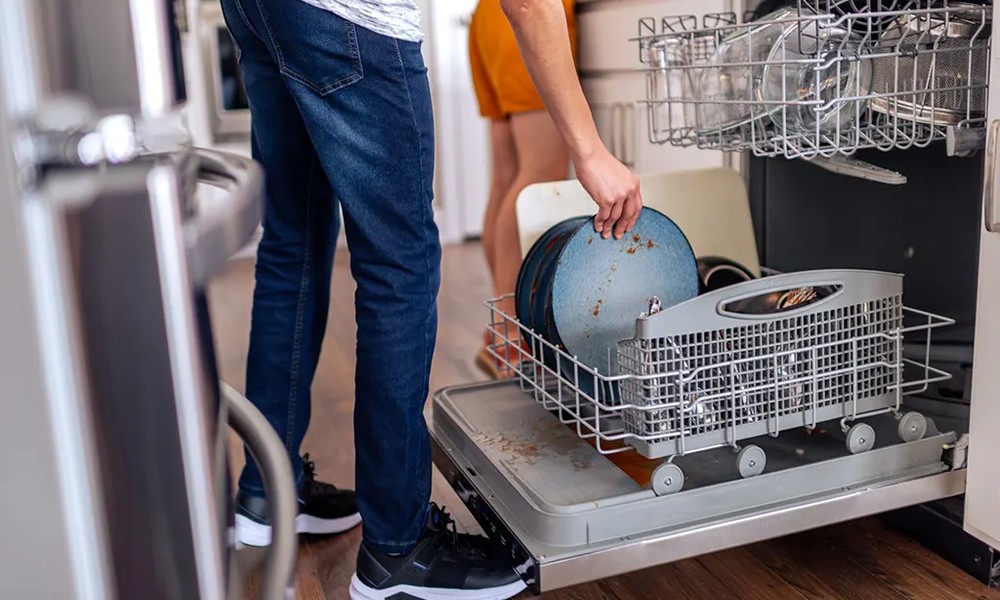

Dishwashers save households hundreds of hours of manual dishwashing every year, making them one of the most convenient appliances in the modern kitchen. Most homeowners use their dishwasher several times a week, while larger families may run multiple cycles daily. With that level of usage, it’s no surprise that performance issues occasionally develop.
Most modern dishwashers are designed to last between 8 & 12 years. Yet, many homeowners begin noticing cleaning problems long before the appliance reaches the end of its lifespan. Dirty dishes, cloudy glassware, food residue, standing water, and unpleasant odours often lead people to assume their dishwasher is failing completely. In reality, many of these problems are caused by maintenance issues, clogged components, or relatively minor repairs.
Knowing the most common reasons dishwashers lose cleaning performance can help homeowners avoid unnecessary replacements, improve efficiency, and extend appliance lifespan. This guide explains what may be causing poor cleaning results and what steps can be taken to restore performance.
Key Takeaways
- Dirty dishes after a cycle often indicate maintenance or component problems rather than total appliance failure.
- Clogged spray arms and filters are among the most common dishwasher issues.
- Hard water buildup can significantly reduce cleaning efficiency.
- Strange noises, standing water, and leaks should never be ignored.
- Routine maintenance can improve cleaning performance and extend dishwasher lifespan.
- Professional diagnosis is often necessary when problems persist despite basic troubleshooting.
How Dishwashers Clean Dishes
Before troubleshooting cleaning problems, it’s helpful to understand how a dishwasher works.
The Main Components Involved
Several components work together during every wash cycle:
- Spray arms
- Circulation pump
- Filters
- Heating element
- Detergent dispenser
Each component plays a critical role in removing food residue and sanitizing dishes.
Why Multiple Components Must Work Together
Effective cleaning depends on:
- Proper water circulation
- Consistent water pressure
- Correct water temperature
- Effective detergent distribution
- Efficient drainage
A problem with any one of these systems can significantly reduce cleaning performance.
Clogged Spray Arms: A Leading Cause of Dirty Dishes
Spray arms are responsible for distributing water throughout the dishwasher.
How Spray Arms Work
During a wash cycle, water is forced through small openings in rotating spray arms.
This process provides:
- Cleaning pressure
- Full rack coverage
- Food residue removal
Common Causes of Blockages
Over time, spray arms may become clogged by:
- Food particles
- Mineral deposits
- Hard water residue
- Grease accumulation
Warning Signs
Potential symptoms include:
- Food remaining on dishes
- Dirty upper racks
- Dirty lower racks
- Uneven cleaning results
Maintenance Tips
Homeowners should:
- Remove and inspect spray arms periodically
- Clean blocked spray holes
- Remove mineral buildup
Simple cleaning often restores proper performance.
Dirty or Clogged Filters
Filters play an important role in maintaining dishwasher efficiency.
Why Filters Matter
Dishwasher filters help:
- Capture food debris
- Protect pumps
- Improve water circulation
Without proper filtration, debris can be redistributed during wash cycles.
Symptoms of Filter Problems
Common warning signs include:
- Dirty dishes
- Standing water
- Unpleasant odors
- Food particles remaining after cycles
Recommended Cleaning Schedule
For most households:
- Clean filters monthly
- Clean more frequently with heavy use
- Inspect after washing heavily soiled dishes
Routine filter maintenance is one of the easiest ways to improve cleaning performance.
Hard Water Buildup and Mineral Deposits
Hard water is a common issue in many areas and can affect dishwasher performance significantly.
How Hard Water Affects Dishwashers
Mineral deposits can cause:
- Reduced water flow
- Spray arm blockages
- Poor detergent performance
- Internal component wear
Visible Signs
Indicators often include:
- White residue on dishes
- Cloudy glassware
- Mineral buildup inside the dishwasher
Prevention Strategies
Homeowners can reduce buildup through:
- Dishwasher cleaning products
- Water softening systems
- Regular maintenance cycles
Preventing mineral accumulation helps maintain long-term performance.
Standing Water After a Cycle
Water remaining inside the dishwasher after a cycle often indicates a drainage issue.
What Normal Drainage Looks Like
A properly functioning dishwasher should leave:
- Minimal residual moisture
- No standing water
- Clean interior surfaces
Common Causes of Drainage Problems
Drainage issues may result from:
- Blocked drain hoses
- Clogged filters
- Faulty drain pumps
- Obstructed plumbing connections
Why Drainage Issues Require Prompt Attention
Ignoring standing water can lead to:
- Odor development
- Mold growth
- Pump damage
- Reduced cleaning performance
Prompt diagnosis often prevents more extensive repairs.
Dishwasher Leaks
Water leaks should never be ignored.
Common Sources of Leaks
Frequent leak sources include:
- Worn door gaskets
- Loose hose connections
- Cracked spray arms
- Overfilled detergent dispensers
Risks of Ignoring Leaks
Even small leaks can cause:
- Flooring damage
- Cabinet deterioration
- Moisture problems beneath appliances
- Mold growth
Early Warning Signs
Watch for:
- Water around the dishwasher
- Damp cabinets
- Recurring moisture buildup
- Musty odors
Early intervention helps minimize damage.
Strange Noises During Dishwasher Operation
Dishwashers typically produce some operational sounds, but unusual noises may indicate developing problems.
Grinding Sounds
Possible causes include:
- Food debris in pumps
- Motor-related issues
- Damaged internal components
Buzzing Sounds
Buzzing may indicate:
- Pump strain
- Water flow restrictions
- Drainage problems
Clicking Sounds
Clicking is often normal during cycle transitions but may occasionally indicate:
- Control board concerns
- Relay issues
When Noises Signal Serious Problems
Professional inspection is recommended when noises become:
- Sudden
- Loud
- Persistent
- Increasingly frequent
Mechanical issues rarely improve without attention.
Common Dishwasher Problems by Brand
Different manufacturers often experience different repair patterns.
Bosch Dishwashers
Common issues include:
- Drainage concerns
- Water inlet problems
KitchenAid Dishwashers
Frequent complaints involve:
- Circulation pump wear
- Spray arm failures
Whirlpool Dishwashers
Typical repairs include:
- Drain pump failures
- Control panel issues
GE Dishwashers
Common concerns involve:
- Heating element problems
- Water circulation issues
Samsung Dishwashers
Reported issues often include:
- Sensor-related errors
- Drainage failures
- Electronic control problems
Habits That Can Shorten Dishwasher Lifespan
Daily habits play a significant role in appliance longevity.
Overloading Racks
Overloaded dishwashers often experience:
- Poor cleaning performance
- Reduced water circulation
- Increased component strain
Using Too Much Detergent
Excess detergent may contribute to:
- Residue buildup
- Drainage issues
- Sensor problems
Ignoring Filter Maintenance
Dirty filters force the dishwasher to work harder.
Running Incomplete Cleaning Cycles
Skipping full cycles can encourage:
- Residue accumulation
- Odor development
- Poor performance
Delaying Minor Repairs
Small problems often become expensive repairs when ignored.
When Professional Dishwasher Service in Bufford, GA, Makes Sense?
Some dishwasher issues can be resolved through basic maintenance, but recurring problems often indicate worn components or mechanical failures.
Problems involving circulation pumps, drainage systems, heating elements, and electronic controls typically require professional diagnosis. Homeowners dealing with persistent cleaning issues frequently find that professional dishwasher repair Buford services help identify underlying problems before they lead to larger and more expensive failures.
Experienced technicians can diagnose the root cause of poor cleaning performance, replace worn parts, restore efficiency, and help extend appliance lifespan. This is especially valuable for homeowners in Buford who rely heavily on their dishwasher for daily kitchen cleanup.
Preventive Maintenance Checklist
Regular maintenance remains one of the best ways to improve dishwasher performance.
Monthly Tasks
- Clean filters
- Inspect spray arms
- Wipe door seals
- Check for unusual odors
Quarterly Tasks
- Run dishwasher cleaning cycles
- Check for leaks
- Inspect drain components
- Evaluate cleaning performance
Annual Tasks
- Inspect water supply lines
- Evaluate internal components
- Schedule professional maintenance if needed
Preventive maintenance often costs far less than major repairs.
Repair vs. Replace: Making the Right DecisionWhen Repair Is Usually Worthwhile
Repair often makes sense when:
- The dishwasher is less than 8 years old
- Repair costs remain reasonable
- The appliance has been well maintained
- Problems involve isolated components
When Replacement May Be Better
Replacement may deserve consideration when:
- Frequent breakdowns occur
- Significant internal corrosion exists
- Major control board failures develop
- Energy efficiency declines substantially
Professional evaluation can help determine the most economical option.
How to Improve Dishwasher Cleaning Performance?
Simple adjustments can often produce noticeable improvements.
Use Quality Detergent
High-quality detergent improves cleaning effectiveness and reduces residue.
Load Dishes Correctly
Avoid blocking water flow and spray arm movement.
Avoid Blocking Spray Arms
Ensure dishes and utensils do not interfere with rotation.
Maintain Proper Water Temperature
Most dishwashers clean most effectively when incoming water reaches approximately 120°F.
Clean Filters Regularly
Routine filter cleaning remains one of the easiest ways to improve results.
Conclusion
Poor dishwasher cleaning performance is often caused by maintenance issues, drainage problems, hard water buildup, or worn components rather than complete appliance failure. Symptoms such as dirty dishes, standing water, unusual noises, and leaks should be addressed promptly before they lead to more extensive repairs.
For homeowners in Buford, routine maintenance can significantly improve dishwasher performance and help maximize appliance lifespan. By cleaning filters, inspecting spray arms, monitoring drainage systems, and addressing problems early, homeowners can often avoid costly repairs and enjoy consistently clean dishes.
A proactive approach remains the most effective way to keep a dishwasher operating efficiently year after year.
FAQsWhy are my dishes still dirty after a dishwasher cycle?
Common causes include clogged spray arms, dirty filters, hard water buildup, poor loading practices, or circulation pump problems.
How often should dishwasher filters be cleaned?
Most households should clean dishwasher filters at least once per month, though heavy use may require more frequent cleaning.
Can hard water affect dishwasher performance?
Yes. Hard water can reduce cleaning efficiency, clog spray arms, leave residue on dishes, and contribute to internal component wear.
Why is there standing water in my dishwasher?
Standing water is often caused by clogged filters, blocked drain hoses, drain pump failures, or plumbing restrictions.
Is it worth repairing an older dishwasher?
If the appliance is under 8-10 years old and repair costs are reasonable, repair is often the most cost-effective option.